

Budapest, Budapest
by Ali Viterbi and Toby Singer
July 13 & 14 @ 7:30 | New Village Arts
In 1940’s Budapest, two important Jewish historical figures rose to prominence. One was Hannah Senesh, a poet and member of the Jewish Parachutists of Mandate Palestine. At 23, she was captured by the Germans and killed. The second was Rudolf Kastner, a political fixer who helped 1,684 Jews escape during the Holocaust. Yet of the two, Senesh is the only to enter the Jewish people’s pantheon of heroes. While she became known as a modern Joan of Arc, Kastner was convicted of having “sold his soul to the devil.” While Senesh was buried among the heroes at Mount Hertzl, Kastner was assassinated by his fellow countrymen. History remembers Kastner as a villain, while it lauds Senesh as one of its greatest heroes. But really: when we look back into the dark, what story will we tell?
So asks the opening lyric of the new musical Budapest Budapest, which tells the unknown story of Rudolf Kastner and asks: what is the cost of redemption? And what does it really mean to be a hero? Budapest Budapest dives deep into our collective societal ideas about heroes, sacrifice, and legacy. In a time of increasing antisemitism and political turmoil, Budapest Budapest tells an important story about guilt, accountability, and the impossible choices of war.
Book & Lyrics by Ali Viterbi, Music & Lyrics by Toby Singer
Bios:
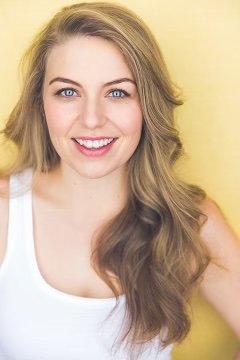
Ali Viterbi / Book & Lyrics
Ali Viterbi is a playwright, television writer, and educator. Her play The World to Come premiered at Woolly Mammoth Theatre Company and Theater J in 2026, and her play In Every Generation received its world premiere at Victory Gardens Theater and its west coast premiere at TheatreWorks Silicon Valley. Ali’s work has been developed and/or commissioned by Geffen Playhouse, The Kennedy Center, La Jolla Playhouse, Round House Theatre, National New Play Network, San Diego REP, Carthage College, HERE Arts Center, The Barrow Group, and North Coast Repertory Theatre, among others. Ali won the 2019 National Jewish Playwriting Contest and has developed projects in TV. She is a recipient of a 2024 Macdowell Residency and was a member of the Geffen Playhouse Writers' Room. She received her B.A. from Yale University and her M.F.A. in Playwriting from UC San Diego. Ali is proud to have been a part of JFest for the past seventeen years!
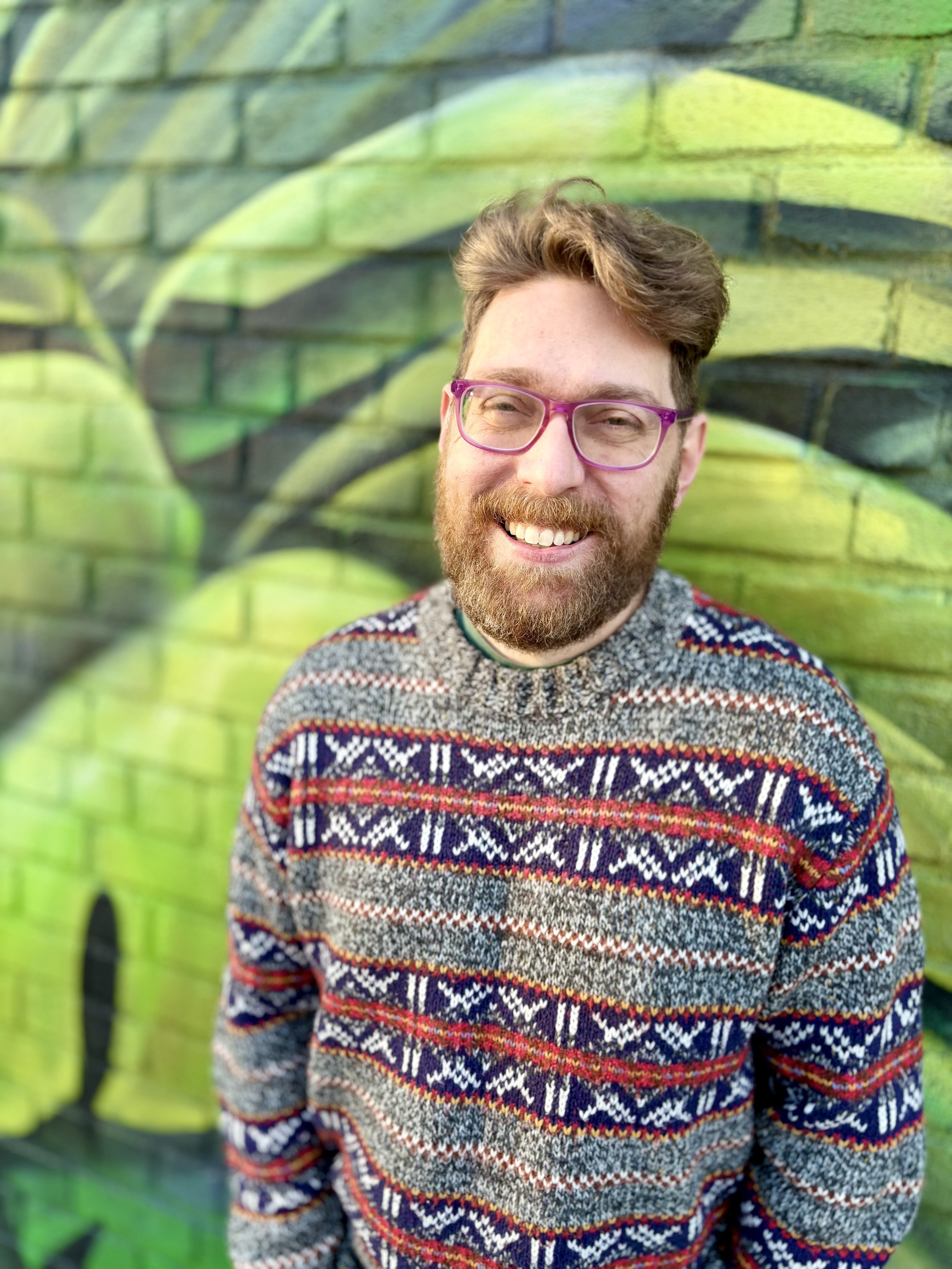
Toby Singer / Music & Lyrics
Toby Singer is a composer and musician working at the juncture of music and theater. Born in Michigan, Toby’s award-winning theatrical work has been produced off-Broadway and regionally, and has been featured in the New York Times and New York Magazine. Toby is in demand as a record producer for eclectic indie artists, while his arrangements and original compositions are in frequent use across the country. Toby received his MFA in Performing Arts Management from Brooklyn College, and his BA from the University of Michigan School of Music. Toby lives in Philadelphia with his wife, son, and dog.
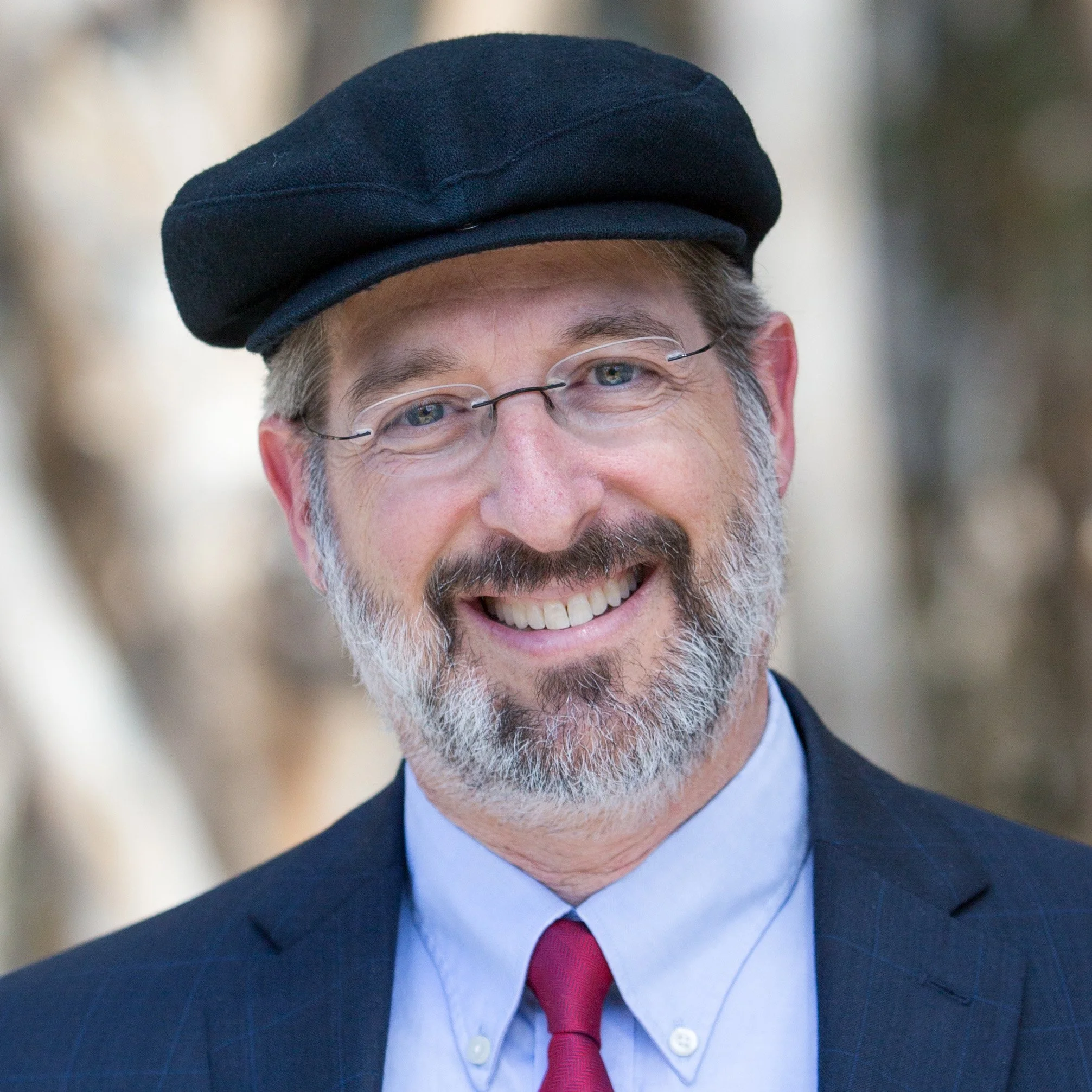
Todd Salovey / Director
Todd Salovey is founding Artistic Director of JFest. He is so pleased to be working on this wonderful new musical with Ali Viterbi and Toby Singer. Favorite directing credits include many years of JFest’s Women of Valor, S. Ansky’s The Dybbuk which started JFest, Yehuda Hyman’s The Mad Dancers during which the Festival was named for the Lipinsky Family, Hamlet starring the extraordinary Jefferson Mays, and his own adaptation of Sherri Mandell’s The Blessing of a Broken Heart which won an Edgerton New Play Award and began his almost two-decades-long collaboration with Ali Viterbi and Becca Myers.
Cast:
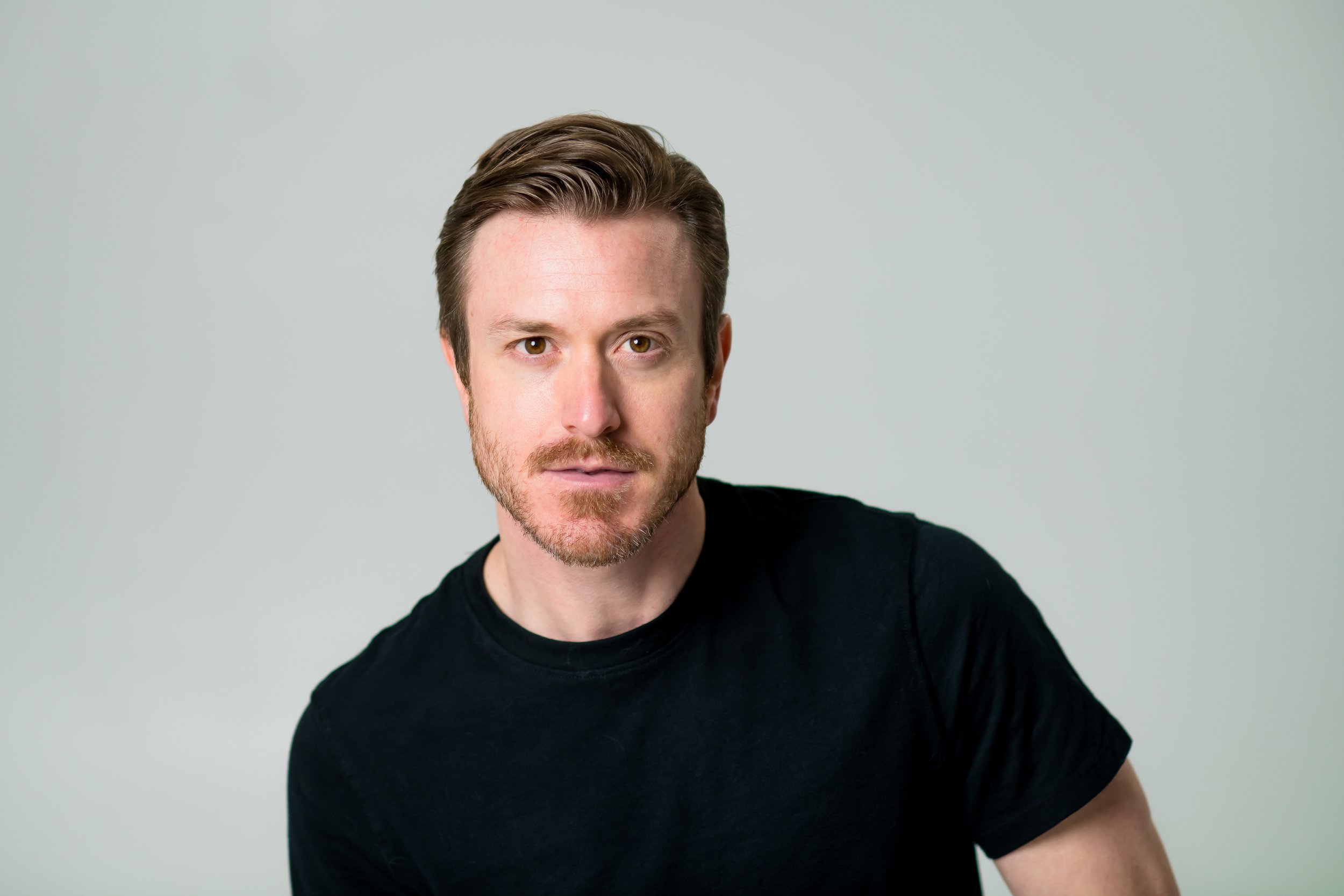
Jacob Caltrider / Rudolf Kastner
Jacob has been performing for nearly 20 years at venues including Cygnet Theatre, North Coast Rep, SDRep, SDMT, Diversionary Theatre, The Welk Resort, Laguna Playhouse, Lamb’s Players Theatre and The Old Globe. Recent credits include Mayer in The Lehman Trilogy (Cygnet) and Pasquale in The Most Happy Fella (NCRT). He is an original cast member in the world premiere productions of The Daddy Machine and Harmony, Kansas (Diversionary); House of Dreams and Manifest Destinitis (SDRep); and Regency Girls (The Old Globe). Jacob recently received a Craig Noel Award for his performance as Jud Fry in Oklahoma!
IG: @anothertakeonjake
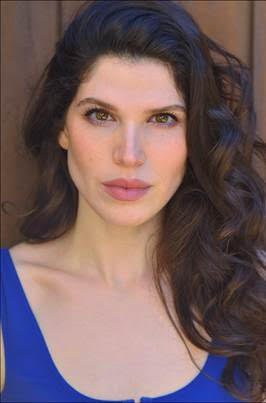
Anna Mintzer / Bogyo Fischer Kastner
Anna Mintzer (Bogyo): Broadway Tour: The Sound Of Music 1st National (Maria cover, performed). Select Regional: Noises Off Geffen Playhouse (Steppenwolf Co-Pro); Bright Star (Alice Murphy), Hello Dolly (Irene Malloy) Musical Theatre West; Legally Blonde (Vivienne) La Mirada/Ordway. Industry Presentations: Symphony Space with Theatre Now NY, The Wallis, Players Theatre NYC, Mead Center at Arena Stage, Colony Theatre, MTW’s New Work Festival, & more. TV/Film: New Dogs, Old Tricks (recurring, Amazon), Easter Mysteries (Fathom Events), Blue Bloods (CBS). Anna’s original music can be heard across all streaming platforms. BFA, Syracuse University. IG: @Anna.Mintzer
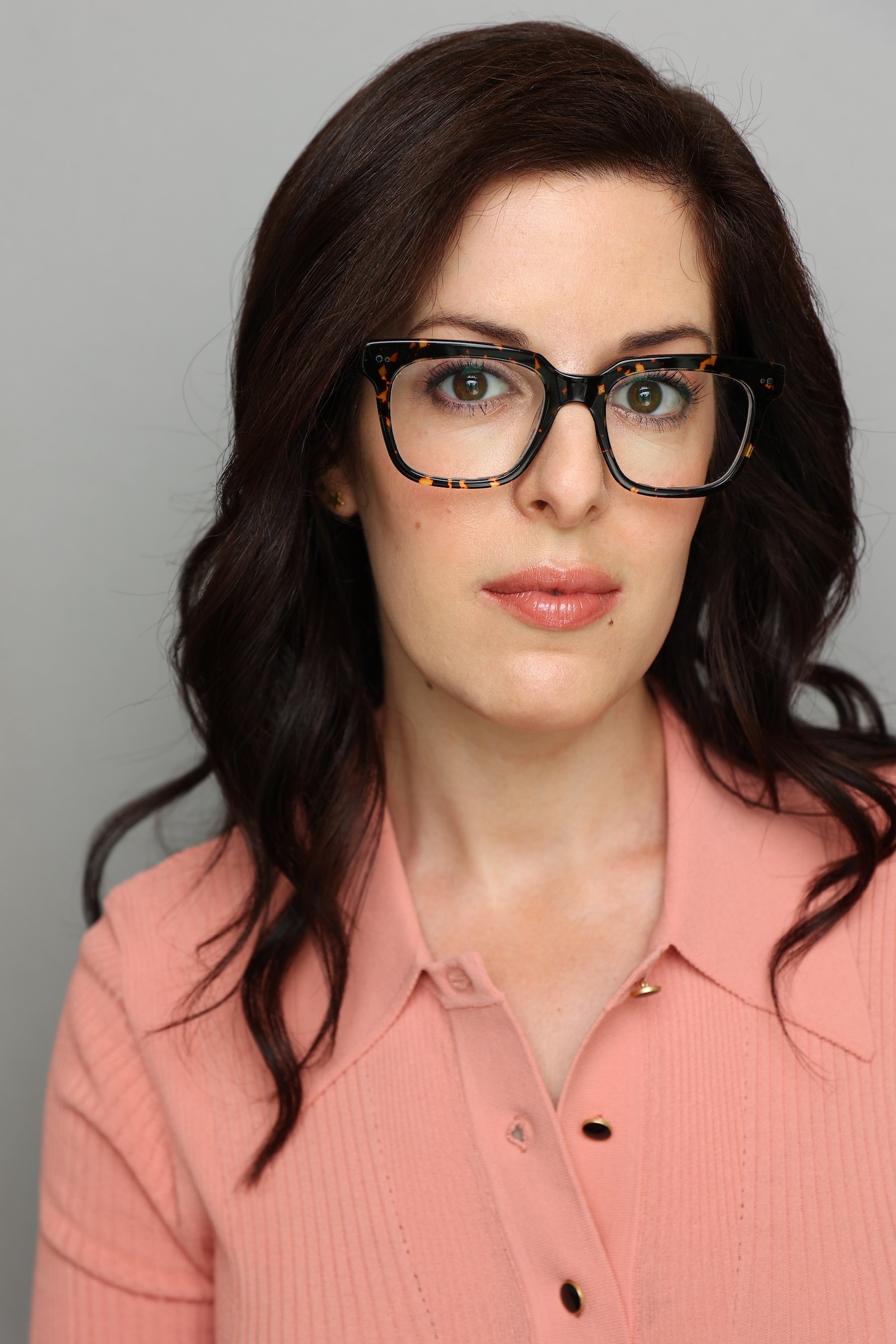
Becca Lustgarten / Hansi Brand
Becca Lustgarten is thrilled to be back at JFest, after participating in Variations on Crossing the Alps at The Whole Megillah New Play Festival in 2025. Becca recently recorded season one of the sci-fi audio drama, Sensors Dark, as well as a recurring role on the podcast Josie’s Lonely Hearts Club. You can currently hear Becca narrating live shows at the Samuel Oschin Planetarium at Griffith Observatory! Favorite regional credits include A Midsummer Night's Dream (The Old Globe), One Man, Two Guvnors (Berkeley Rep), and Death of a Salesman (South Coast Repertory). Film: Phoenix, Ripple, To Us, Mia's Candy, Otumokpo. BFA Boston University, MFA The Old Globe/USD Grad Acting Program. IG: @beccalust
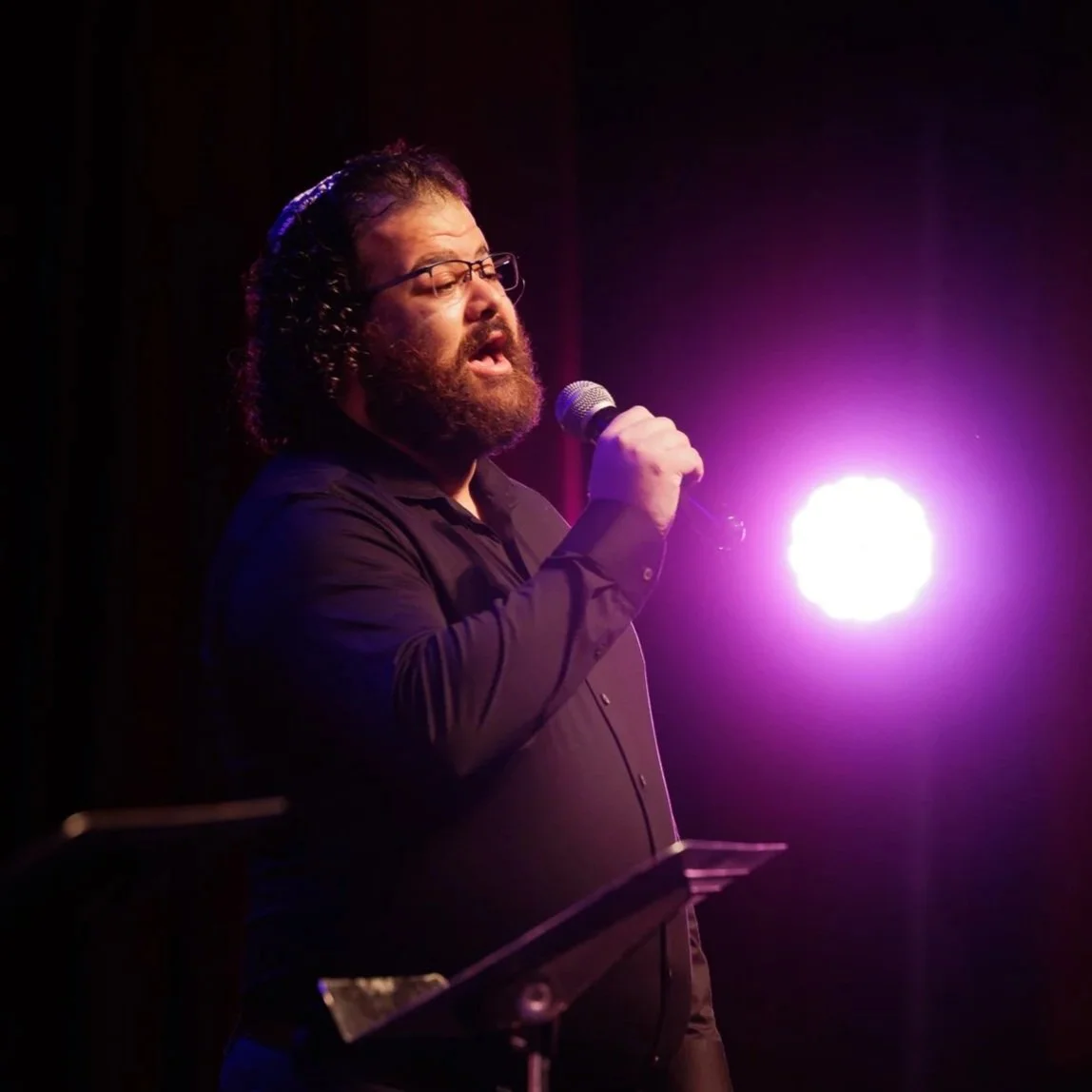
Danny Myers / Joel Brand
With an MS in Cyber Security Engineering and a dual BA in Music and Computer Science, Daniel straddles two worlds. He currently works as a software engineer at Riot Games, and is a member of their League of Legends themed “a cappella” group: Summoner’s Riff. He has performed with SD Lyric Opera, Moonlight, Starlight, SD Rep, SD Shakespeare Society, Spreckles Organ Society, the Old Globe, the La Jolla Playhouse, in several operas with SD Opera, as a featured soloist with the San Diego Symphony, and on national tours. He is a member of Enigma Theatre Company (http://etc.art).
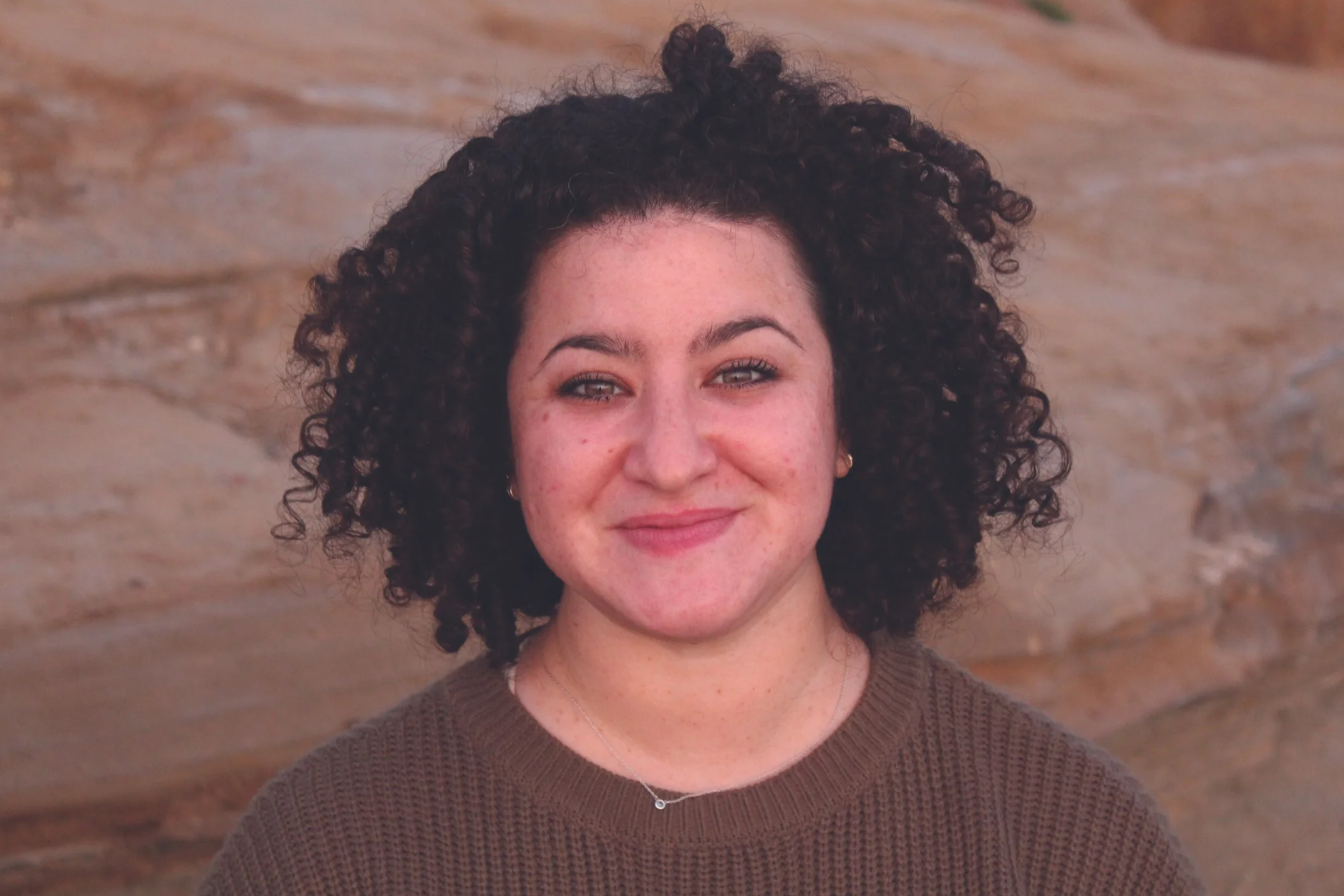
Becca Myers / Hannah Senesh
Becca Myers is a multi-hyphenate theatre artist: producer, actor, singer, director, and educator who gets joy from everything theatre! Becca is currently working as the Producing Director of the Lipinsky Family San Diego Jewish Arts Festival, and a Teaching Artist for The Old Globe. Becca also spends much of the year working creatively in San Diego, including receiving a BroadwayWorld award for acting in 2025. Becca is currently the drama teacher at Mt. Everest Academy, where she works with students over the course of a year to vision, develop, write, and finally produce a fully staged new play, performed by students of all ages.
In 2018, Becca received the Sandy Fisher Award for Excellence in the Creative Arts which is awarded for exceptional work in theatre, including behind the scenes support, activism, and onstage work.
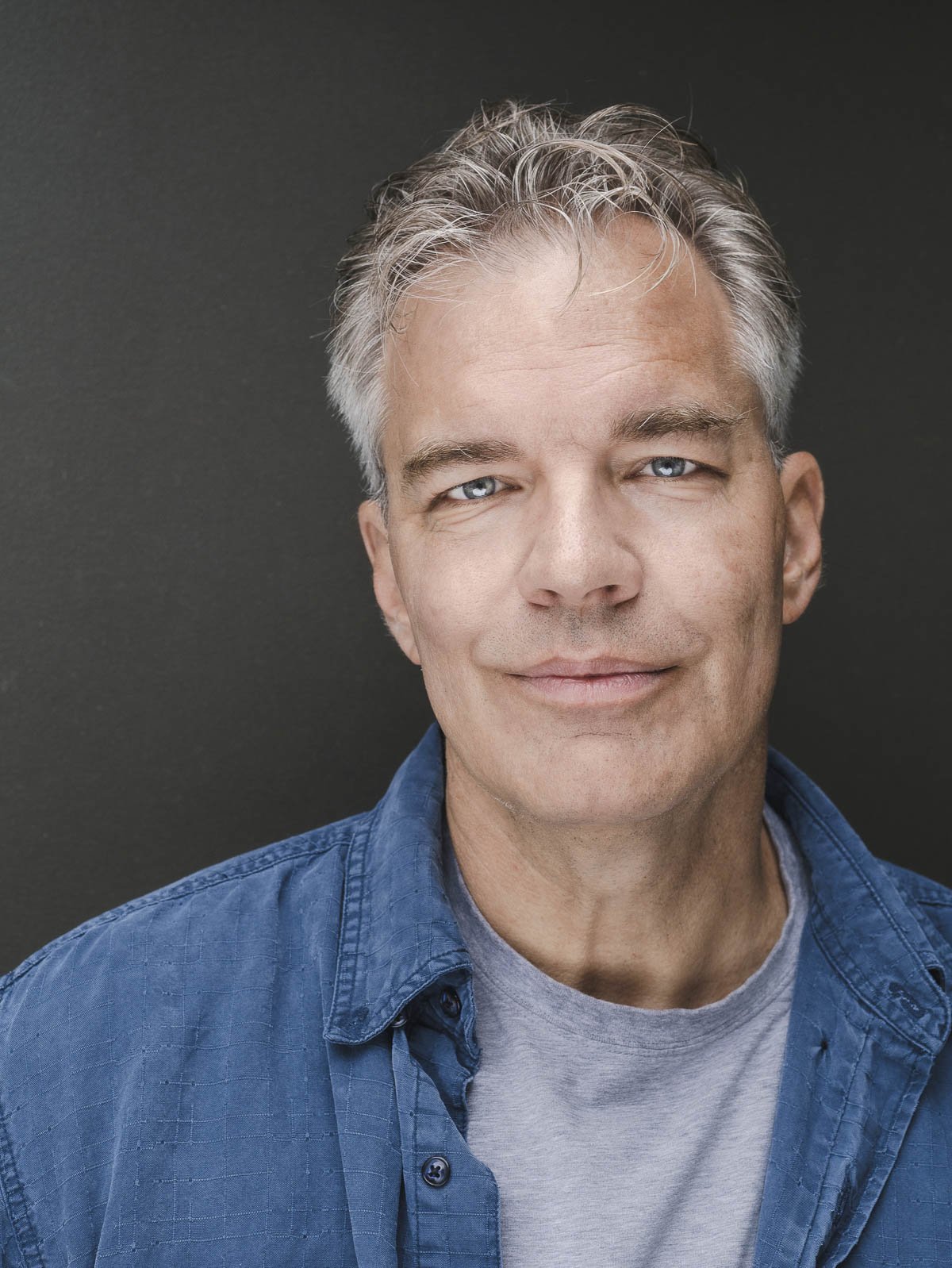
Jason Heil / Adolf Eichmann / Haim Cohen / Turkish survivor
Off-Broadway: Sea of Souls. Regional: The Recipe, Indian Princesses, Bhangin’ It, Zhivago (La Jolla Playhouse). Twelfth Night, Plaid Tidings (Old Globe); Mother Road, Sweat, Beachtown, Hand to God, Violet, Clybourne Park, A Christmas Carol (SD Rep), Curious Incident…(CCAE), Laguna Playhouse, Arkansas & Tennessee Repertory Theatres, Capital Stage, A.C.T., A Noise Within, & 9 seasons with the Utah, Lake Tahoe, Marin, & Texas Shakespeare Festivals. Other San Diego: Lamb’s Players Theatre (Associate Artist), North Coast Rep, Cygnet Theatre, Moonlight Stage Productions, Intrepid. www.jasonheil.com
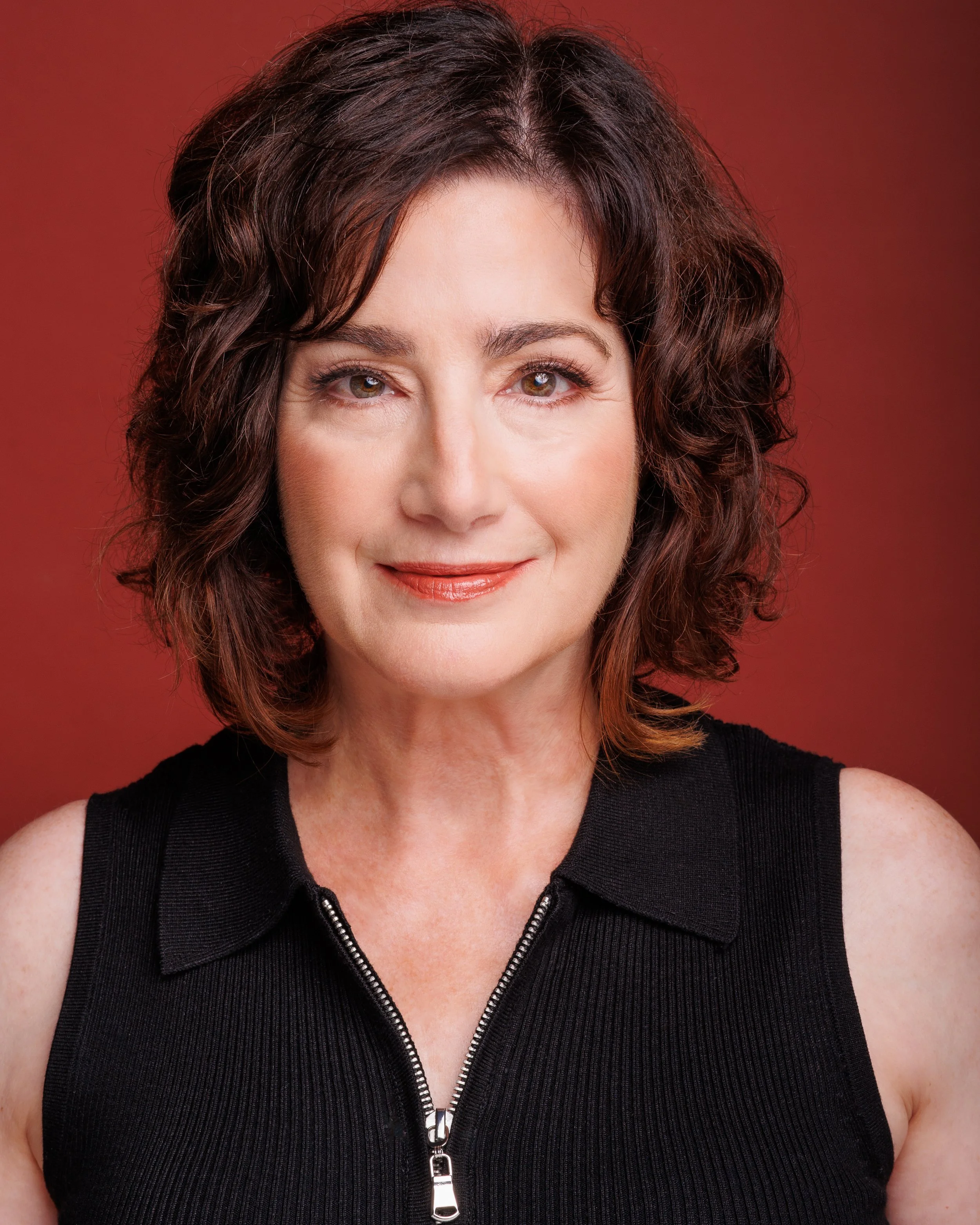
Sandy Campbell / Katharine Senesh / Hedy
SANDY CAMPBELL (Katharine/Ensemble) is thrilled to be a part of this new musical. She is a Resident Artist at Cygnet Theatre and an Associate Artist at Lamb’s Players and has worked in such productions as Beautiful, Ragtime and Into the Woods (Moonlight); Zhivago (La Jolla Playhouse); Clybourne Park, Mother Road (SD REP); Macbeth (Intrepid); The Prom, How To Succeed…(SDMT). A few of her favorite roles include Maria Callas in Master Class, Lucille in Parade, Sally in Follies, Charlotte in A Little Night Music, and Fosca in Passion. Sandy is the recipient of multiple San Diego Critics Circle Awards. Thank you for supporting new work!
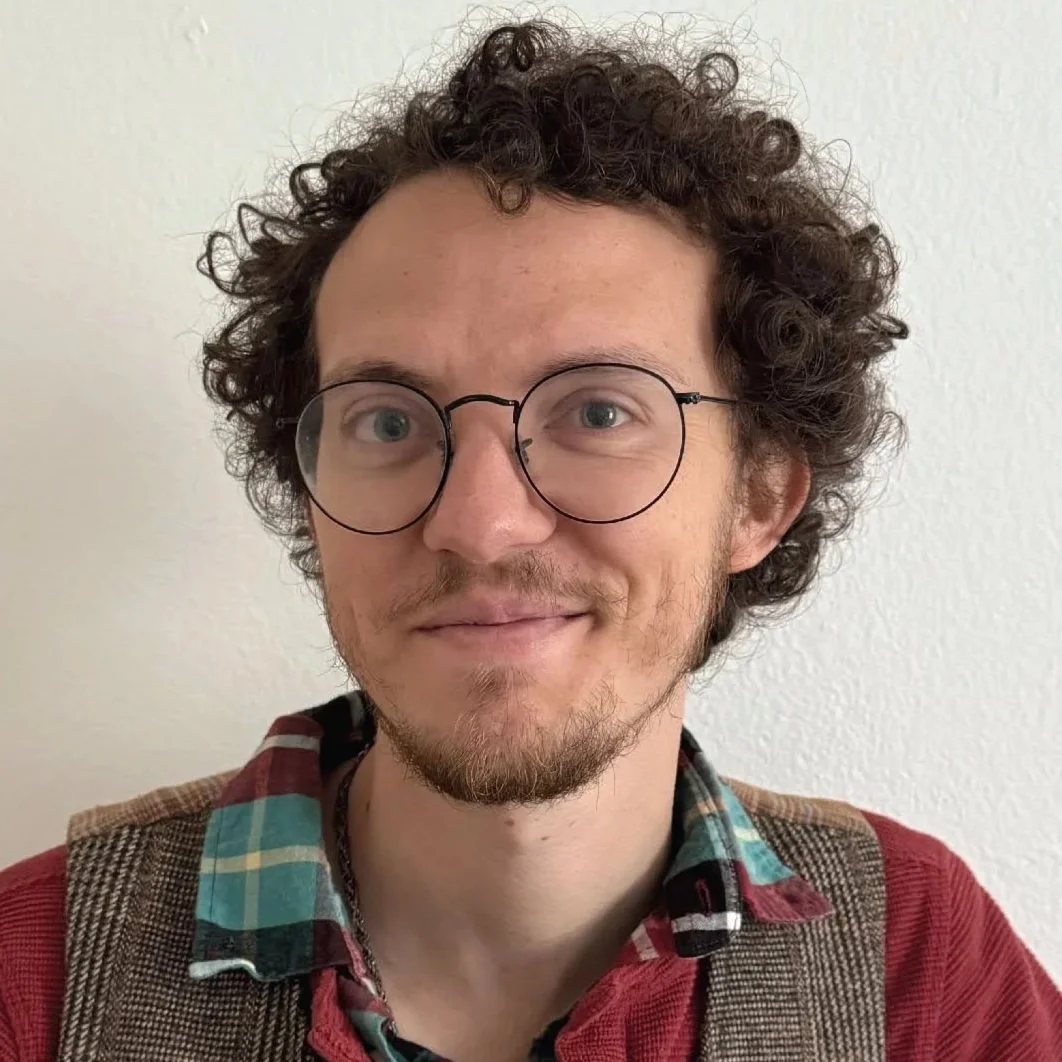
Austyn Myers / Hernik / Peretz Goldstein / German guard #2 / Shmuel Tamir
Austyn Myers (Ensemble) Broadway/National Tour: Les Misérables. TV/Film: Meet Dave, Team Spitz, Moon Rocks and Lighter Fluid. Regional: Kingdom City (La Jolla Playhouse); October Sky, Brighton Beach Memoirs, Lost in Yonkers, The First Wives Club (The Old Globe); Fiddler on the Roof (Moonlight Amphitheatre); Lost in Yonkers, Newsies (McCoy Rigby Entertainment); Witnesses (California Center for the Arts, Escondido); The Secret Garden (Lamb's Players); Spring Awakening, Peter and the Starcatcher (Barnstage Theatre).

Jasmine January / Benjamin HaLevi / Ladislaus / Devora
Jasmine January is always grateful to bring beautiful stories to audiences throughout San Diego. This is her debut with JFest and is so excited. As a SD local, you may have seen Jasmine performing around San Diego, but some of her recent regional credits include Adult Storytime; Caregivers Guide to the Blues (OnWord), Suessical (SDMT), How to Succeed (SDMT), Noises Off (The Old Globe), Grease (Moonlight), Once on This Island (OTC), Rocky Horror Picture Show (Cygnet), The Color Purple (NVA), Natasha, Pierre, and the Great Comet (Cygnet). @areyoujanuary
Her Motto: “Live in your truth, be grateful, and expect divine favor."

Ashleigh Kennealy / Clerk / Irene
Ashleigh Kennealy is delighted to be a part of Budapest, Budapest! Kennealy is a proud UC San Diego Alumni, holding a BA in Theatre. Credits include Gone Missing (Actor 5), Cancelina (Stacey), The 25th Annual Putnam County Spelling Bee (Schwatzy), and She Loves Me (Ilona Ritter) at UC San Diego, Much Ado About Nothing (Beatrice) (ECTA), RENT (Maureen Johnson) (Conundrum Theatre Co.), and The Addams Family (Wednesday Addams) (Diablo Valley College). When not in a theater you can probably find Ashleigh in a bar somewhere playing music with bands Papercut Massacre, Sideshow, Door 13, or as a solo musician. @AshleighKennealy
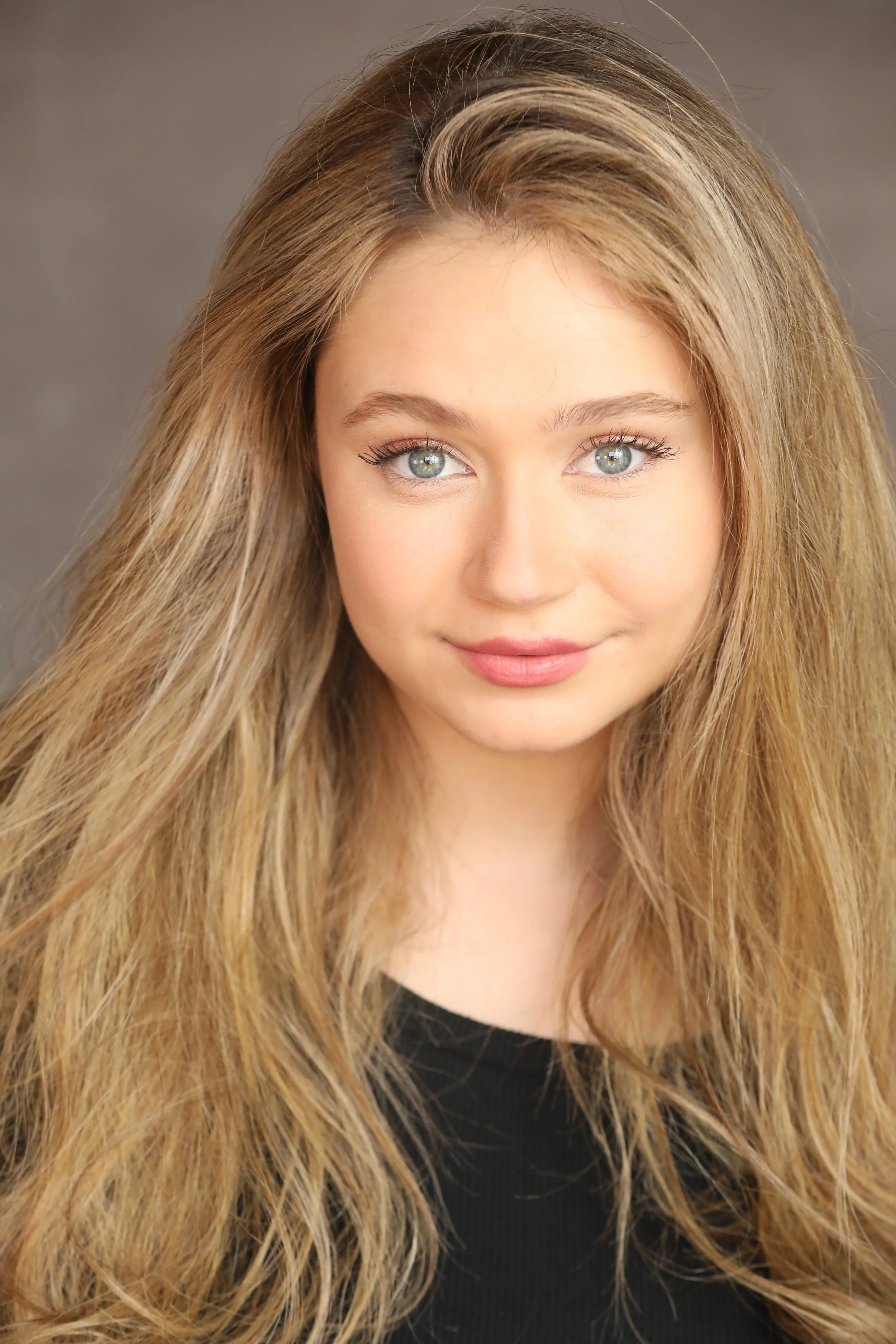
Esmé Birndorf / Malchiel Grunweld / French survivor
Esmé Birndorf, originally from San Diego and a graduate of the Chicago College of Performing Arts, is thrilled to be joining JFest’s The Whole Megillah New Play Festival in Budapest, Budapest! Some of her favorite prior roles include Alice in Alice by Heart (OB Playhouse), Jane Doe in Ride the Cyclone (Trinity Theatre Company), and Ariel in The Little Mermaid (Encore! Theatre). Esmé would also like to thank this incredible cast and brilliant creative team for all of their support and for making this such a wonderful experience.
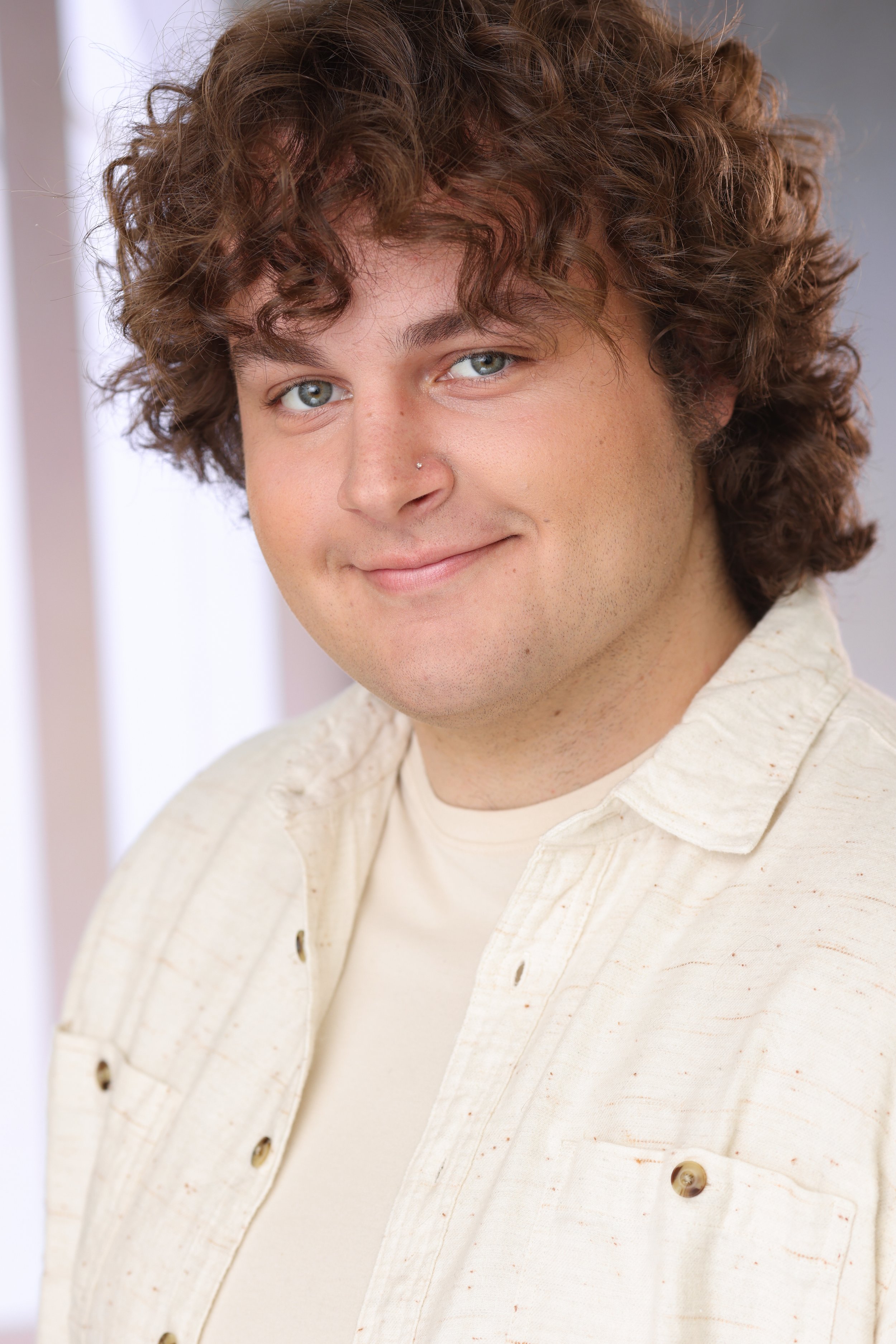
Caleb Wohlgemuth / Yoel Palgi / German guard #1 / Young Man / Manny
Caleb is a current Music Performance major at Palomar College, and is thrilled to be able to work on this project! Recent/Favorite credits include Hunter Bell - Title Of Show (New Village Arts), Baker - Into The Woods (Palomar College), and Barnaby Tucker - Hello, Dolly! (Patio Playhouse). Caleb has completed the Applied Music program at Palomar under the vocal instruction of Matthew Fallesen, and plans to transfer to a four-year music program next year, hoping to double major in Musical Theatre and Musical Education. When not on stage, Caleb enjoys traveling, reading, and working on indie film projects with his friends, many of which are promoted @calebwohlgemuth_ on Instagram.
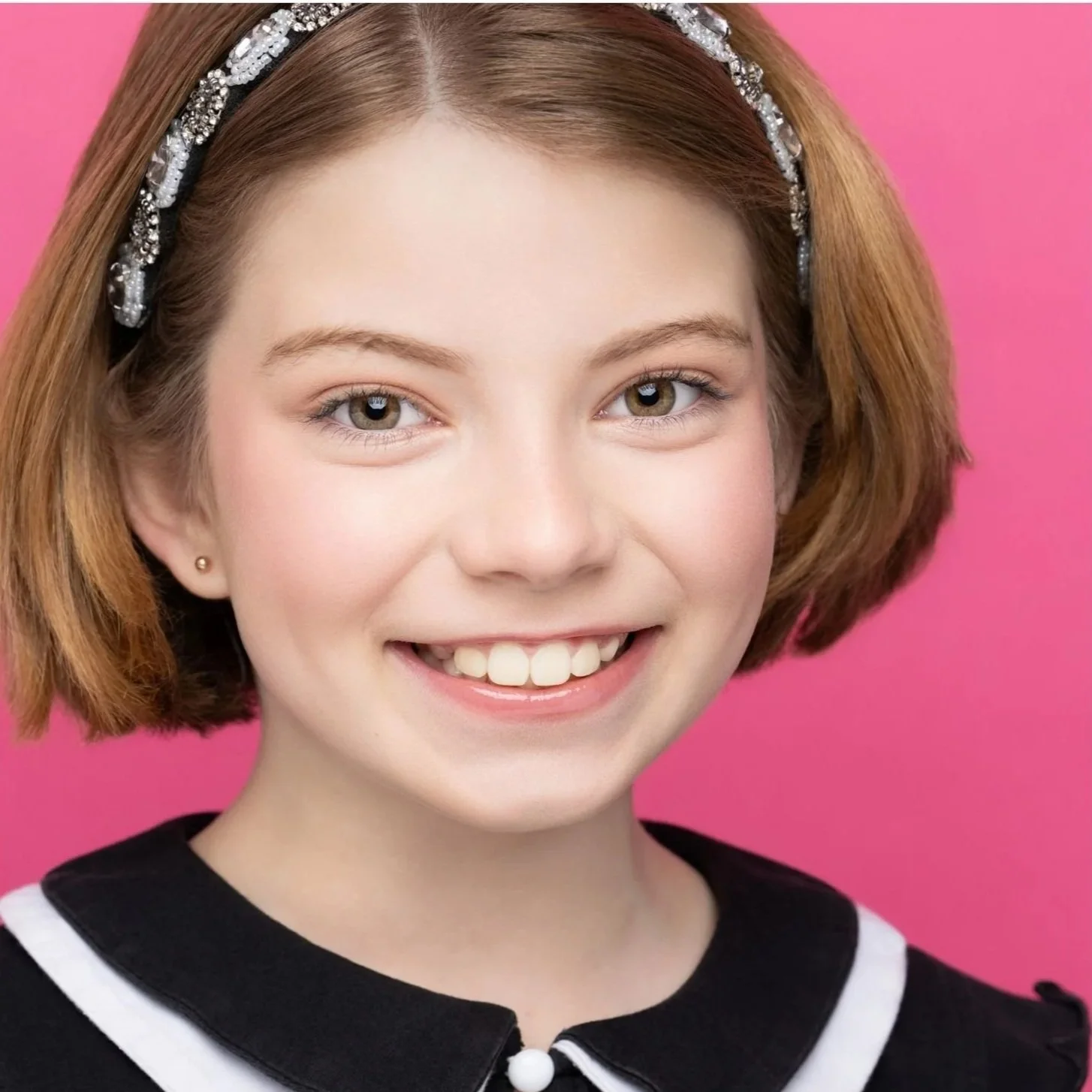
Evelyn "Evey" Jean Marcella / Zsuzsi
Evelyn "Evey" Jean Marcella is honored to be part of Budapest, Budapest. Evey will be starting fourth grade this fall and is thrilled to continue pursuing her passion for musical theatre. Some of her favorite roles include Young Anna in Frozen Jr. (San Diego Junior Theatre) and Bet in Oliver! (Young Roustabouts Theatre).
When she's not on stage, Evey loves coding, reading, crafting, singing, and spending time with friends and family. She dreams of one day performing on Broadway and hopes to someday own a pet that's just a little bigger than her beloved pet snails, Jill and Jack.
Evey would like to thank her parents, her manager, Becky Cherlin Baird, all of her coaches, San Diego Junior Theatre, the wonderful creative team and company of Budapest, Budapest, and the incredible teams at CESD and DDO for their endless support, encouragement, and belief in her.
Musicians:
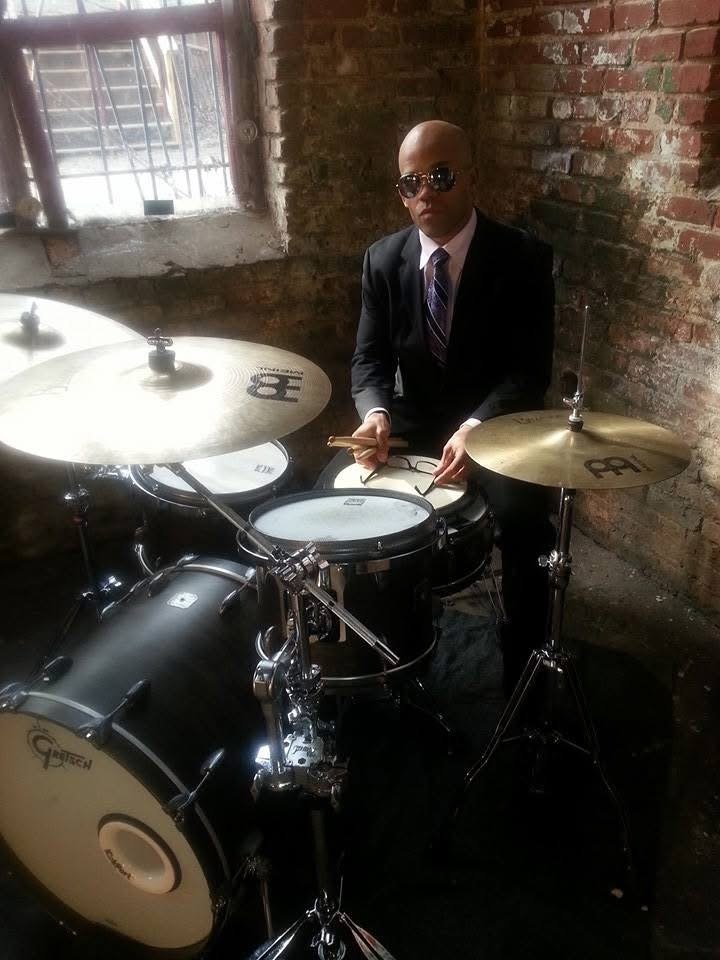
Leirrie Valentin / Drums
Leirrie Valentin is a professional drummer with over 30 years of experience performing in churches, recording studios, and on major cruise ships. A former instructor at the Atlanta Institute of Music, he is known for his versatility, dynamic playing, and passion for mentoring musicians. Through performances, educational content, and collaborations with the drumming community, Leirrie continues to inspire drummers around the world while also developing innovative custom percussion instruments.
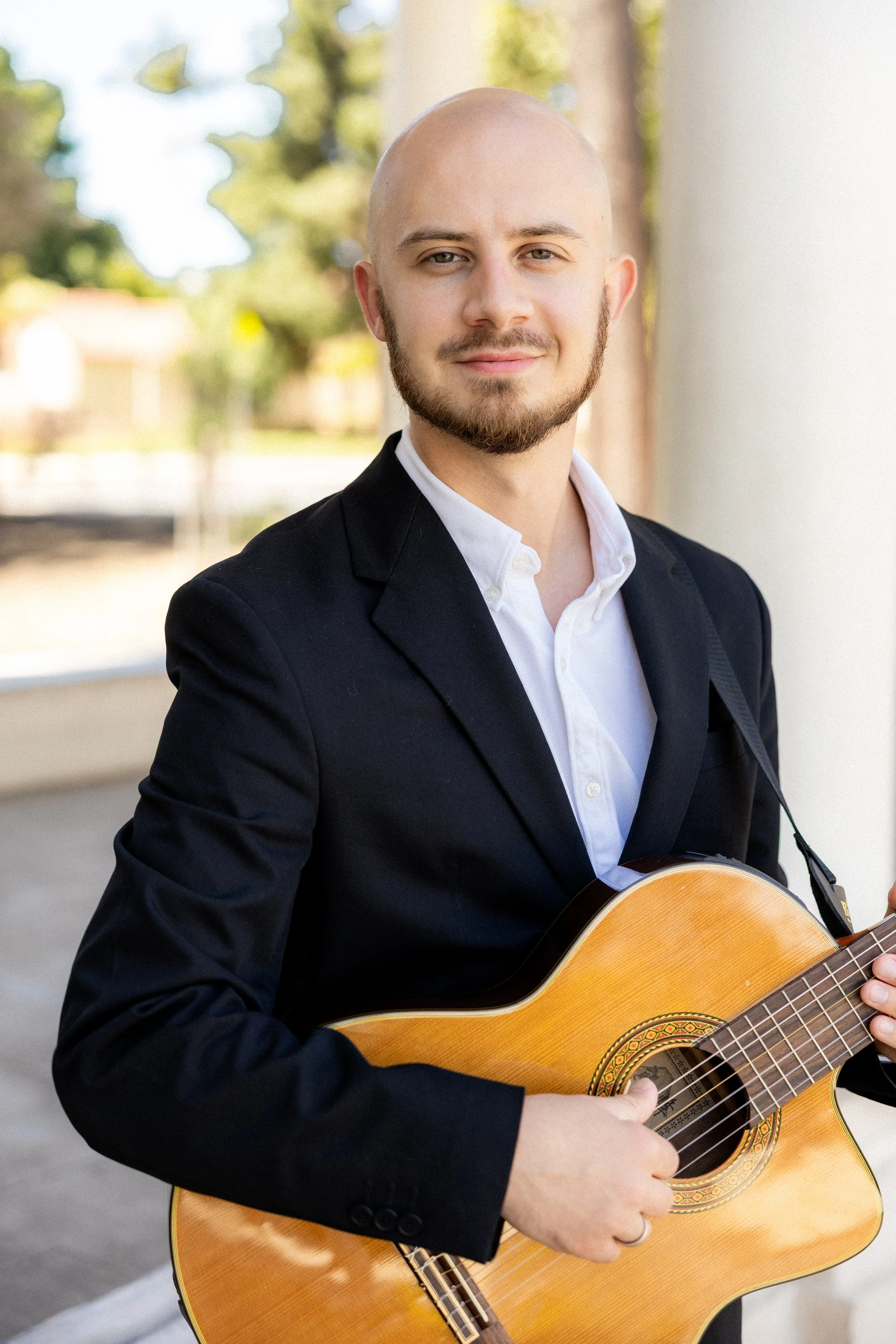
Nikita Nakonechnyi / Guitar
Nikita Nakonechnyi is a San Diego–based solo guitarist and composer known for blending smooth jazz with expressive, melodic guitar playing. He performs at festivals, concerts, weddings, and private events across the U.S.
Throughout his career, Nikita has shared the stage with legendary jazz pianist Bob James, performed as a guitarist for Jamala, toured with saxophonist Andrey Chmut, collaborated with Eric Moore, and opened for Matteo Mancuso.
Now focused on his solo career, Nikita continues to release original smooth jazz music, including his latest single, City Groove, available on all major streaming platforms. His passion is creating memorable performances that connect with people and leave a lasting emotional impact through music.
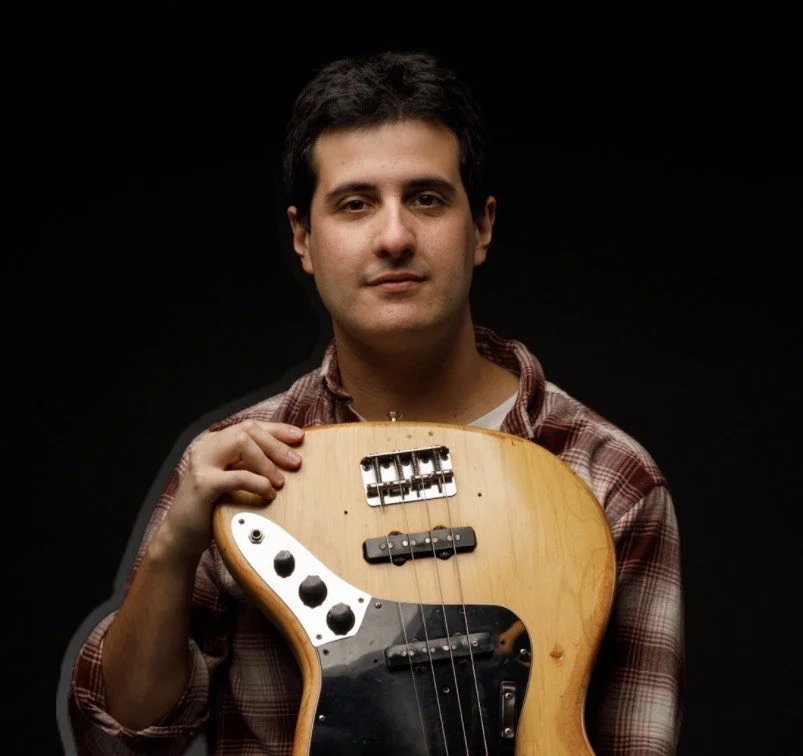
Martin Martiarena / Bass
Martín Martiarena is a guitarist, bassist, and educator based in Southern California. He has toured nationally as a bassist with The Simon & Garfunkel Story and as lead guitarist and music director for The British Invasion Live On Stage. Select regional theater credits include Henry VI (The Old Globe), Mamma Mia, Kinky Boots, and Jesus Christ Superstar (Moonlight & Welk), Rock of Ages, The SpongeBob Musical, and Dogfight (Cygnet Theatre).
Outside of theater, Martín performs regularly with Beatles tribute band The Rollers. He holds a B.A. in Jazz Performance from UCLA and is a faculty member at Francis Parker School.
PRODUCTION TEAM:
Piper Lord / Stage Manager
Liberty-Belle Garza-Omae / Costume Consultant
Noah Baird / Child Guardian
Budapest, Budapest — Interview with Toby Singer and Ali Viterbi
Becca Myers: Budapest, Budapest is rooted in historical events and real people—how did you first come to this story, and why did you feel it had to be a musical?
Toby Singer: I first came to this story through the lens of Hannah Senesh. She was a figure in my Jewish upbringing—sort of in the air culturally for me for a very long time. I’d long thought that dramatizing her life into a musical was something I wanted to do. And then I finally got into the weeds of research and thought: “this would be a great musical, I should write this”. And then almost immediately, my brain was cracked open by the discovery of this man, Rudolf Kastner.
Ali Viterbi: Toby and I linked up because he sent me a cold email. We had a mutual friend who thought I might be a good fit for this project. I’d always been obsessed with musical theater, but I’d never written a musical. So when Toby reached out, it felt really b’shert. I got to read his original draft and I just fell in love—first with Toby’s music, and then with the story of Rudolf Kastner. Like Toby, I knew Hannah Senesh from Jewish Day School, Jewish summer camp, synagogue. But how had I never heard the name of the person who saved more Jews than any other individual in the entire history of the Holocaust? I went down a huge research rabbit hole and became captivated, and scared by, and intimidated, and horrified, and completely under the spell of this man.
Toby Singer: It became very clear that the story I was interested in telling wasn’t necessarily Hannah’s story, but was mediated by the story of Rudolf—this idea of two different ways of fighting back, of showing resistance. That’s where it began—discovering his story embedded within Hannah’s.
Ali Viterbi: We realized his story was a compelling vehicle for telling a complicated story about the impossible choices of war—what does resistance look like? Hannah is still an important part of that story, but her story is known. This musical is about shedding light on the parts of history that are less known.
Becca Myers: What research did you do to bring this history to life? Was there a discovery that fundamentally changed how you understood the world of the show?
Ali Viterbi: There’s one book in particular that has been a real grounding for both Toby and me in how we think about Rudolf Kastner—Kastner’s Train: The True Story of Rezso Kastner, Unknown Hero of the Holocaust by Anna Porter. We also read the diary of Hannah Senesh—her life and diary was posthumously compiled by her mother and others, and it covers her life from when she moves to British Mandate Palestine almost up until her death. Those are the two seminal books, but it takes you down a lot of different rabbit holes. So we’re essentially reading everything there is to read about Tel Aviv in the 1950s and Budapest in 1944.
Toby Singer: I think leaning into the community around Kastner was a really big breakthrough, particularly in the last stretch of time we’ve been working on the piece. It coincided with a really important movement toward centering the war story and the aftermath—and Hannah being this kind of presence throughout. That’s been really exciting.
Ali Viterbi: What I’ve found really exciting is becoming enamored with Kastner’s relationship with his wife and his mistress—both of whom played important roles in the saving of those 1,684 Jews—and the ways in which his story eclipsed theirs, while also how incredible and awful these two women were in their own right. When I learned about them in the context of researching Kastner, that’s when I thought: this is the story. What does it mean to fall in love and be cared for in a time of war?
Becca Myers: What does Budapest, Budapest mean to each of you personally? Has that shifted as you've been writing it?
Toby Singer: I was working on a slew of musicals in the few years before I started working on this show, and I loved what I was writing and who I was working with—but they weren’t my heart. This show, when I wrote it originally, was the first musical that felt authentically like me—musically, and in terms of what I wanted to share with the world. That was a very important moment for me, and has shaped how I spend my time since then.
Ali Viterbi: I feel like the world is exploding, it’s on fire, and I don’t know how my little watering can is going to put out the fire. But this show is about the fact that there are a lot of different ways to do something, and they’re all going to be flawed. Nothing alone is going to put out the fire. But if a million people do their own little watering cans in different ways—like Rudolph Kastner and Hannah Senesh, very different people with very different tactics—neither of them put out the fire alone, but they did something. And doing something feels better than doing nothing. That’s what it means to me right now.
Toby Singer: In terms of how it’s shifted—the show has become frighteningly prescient, and I hate that, and I also feel grateful that I have something to work on that speaks to it. The feeling of insignificance, of helplessness—working on this gives me a certain type of participation in the great work of our time: of figuring out how we’re all going to get through this.
Ali Viterbi: And as a new parent, thinking about what resistance means in conversation with bringing life into this world—how the stakes feel different—that was a surprise. This show is also about parents and children. What do you sacrifice as a parent? What do you have control over when you’re raising a child? And what do you have absolutely no control over in a completely chaotic world, especially a world at war?
Becca Myers: This show is historical, but it also speaks to the present. What do you hope audiences take from Budapest, Budapest and carry with them into today's world?
Toby Singer: When I wrote it originally, I wrote it almost as a call to action for myself—something that would inspire me to take action, because I felt paralyzed at that particular moment. And I still feel paralyzed frequently, looking around, feeling helpless and small and insignificant in the grand scheme of things. That has always flowed into the background of this piece, particularly musically. I want people to feel bolstered by it and by the story.
Ali Viterbi: Toby wrote these beautiful lyrics in what is now one of the opening songs of the show: “We all want to make a difference, fight back, show resistance—but when push comes to shove, what will they do when they’re coming for you?” I get chills even saying that, because that feels like exactly the world we’re living in. They are coming for us—as Jews, as Americans, as people who believe in democracy and the rights of citizens and immigrants. We are facing choices today—not in the same way Rudolph faced those choices, but we are facing them. Are we going to be Hannah Senesh and parachute into the unknown, not knowing who we’ll save, but knowing that the martyrdom will make a difference? Are we going to be Rudolf—and negotiate with our captors and murderers to eke out a bit of safety for the people we love? Or are we going to do nothing? I think this show is frighteningly relevant to today, and to the choices that every person needs to ask themselves right now: what makes effective resistance? And what is the cost?